lltra software.


How to validate your tech business idea

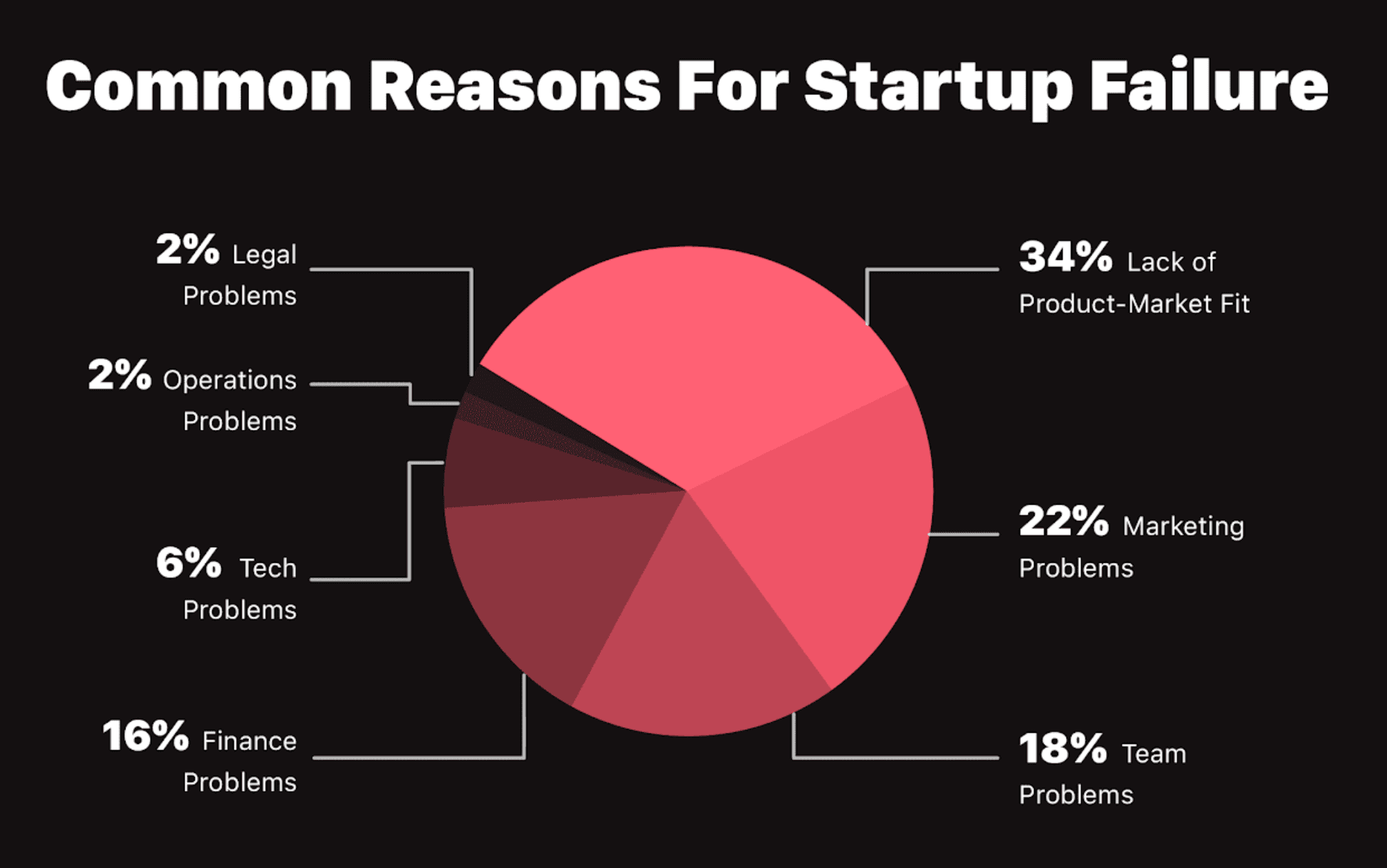
Studies have shown that most startups fail because there is no market need for their product[1]. In other words, they build products that customers don't really need. How can you avoid this pitfall? How can you validate your business idea before investing time and money into it?
Eric Ries's famous "The Lean Startup" framework provides a structured approach to validate your business idea effectively[2]. "The Lean Startup" is a widely recognized and influential methodology used by companies like Dropbox, Zappos, Airbnb, IMVU, and Buffer to validate ideas, iterate on products, and achieve success through iterative development and customer-centric approaches.
Here's how to apply this framework to validate a tech startup idea, using a personalized fitness tracking app as the example.
The Build-Measure-Learn Loop
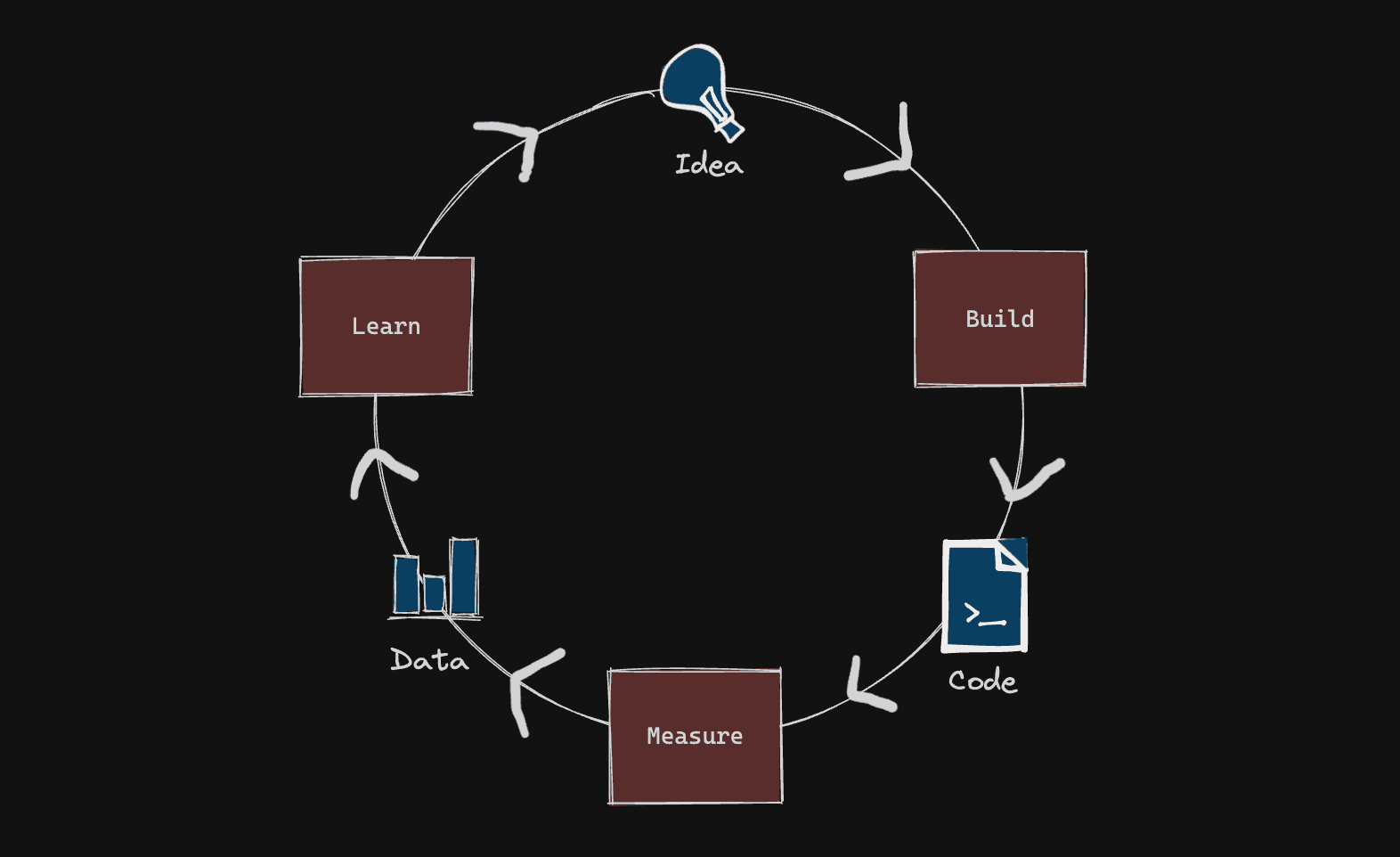
The core of the Lean Startup framework is the Build-Measure-Learn loop. You start by building a Minimum Viable Product (MVP) with just the core features. Once deployed, you measure key metrics to gauge performance. In the learning phase, you gather insights from user feedback, analytics, and real-world usage. That knowledge then drives the key decision: pivot and change direction, or persevere and refine what's working.
Here's how each step works in practice.
1. Start with a Hypothesis
Kick off by crafting a hypothesis about your startup idea. In our example, let's say you're developing a personalized fitness tracking app that tailors workout plans and nutritional guidance based on users' fitness goals, preferences, and health conditions. Your hypothesis could be: "Users are more likely to achieve their fitness goals when provided with personalized workout plans and nutritional recommendations."
2. Build a Minimum Viable Product (MVP)
Create an MVP of your fitness tracking app that embodies its core features. Develop the capability for users to input their fitness goals, dietary preferences, and receive basic workout suggestions based on their inputs. It's important that this MVP only includes the core features of your app, so you can quickly test your hypothesis and gather feedback.
3. Measure Key Metrics
Identify the key metrics that will tell you how the MVP is performing. Track things like user engagement, daily active users, and the completion rate of workout plans.
4. Learn from User Feedback
Collect feedback from early users through surveys, user interviews, and app analytics. If users praise the app's personalized workout plans but express difficulty in setting dietary preferences, you'll gain valuable insights into areas that require improvement.
5. Pivot or Persevere
Armed with user feedback and data, make an informed decision about whether to pivot or persevere. If users resonate positively with personalized workouts but find the dietary tracking feature overwhelming, consider shifting focus to workouts while simplifying the nutritional component.
6. Iterate and Improve
Use the feedback you've gathered to iterate on your MVP. Refine the dietary tracking feature based on what users found difficult, making sure it complements the app's core value.
7. Build-Measure-Learn Cycle
Fully embrace the iterative Build-Measure-Learn cycle. Continuously release enhanced versions of your app, gather data, and incorporate improvements based on user experiences and feedback.
8. Scale Gradually
As your app's core features resonate positively with users, gradually expand your marketing endeavors while meticulously monitoring key metrics. Gradually broaden your user base and gather additional insights.
9. Continuous Validation
Embed continuous validation into your startup's culture. Consistently reassess your initial hypothesis, engage with users to glean insights, and adapt your app to evolving fitness trends and user preferences.
Conclusion
Why is this framework so powerful? It's because you increment your product based on real-world feedback, rather than relying on assumptions. You're not building a product in a vacuum. You're building a product that users want and need. You're building a product that solves a real problem.
Sources
- [1]CB Insights (2024). The top 9 reasons startups fail. Analysis of 431 VC-backed startup failures; poor product-market fit cited in 43% of cases
- [2]Ries, Eric (2011). The Lean Startup: How Today's Entrepreneurs Use Continuous Innovation to Create Radically Successful Business. Crown Business. Build-Measure-Learn framework